Solar export on the Scottish islands
Quick answer
Can island homes in Scotland export solar electricity?
Yes, although island grids can be constrained. Stornoway averages around 800 kWh per kWp a year and Lerwick around 780, so panels still generate a useful amount. SSEN runs the island networks and may set an export limit for new systems. Once connected, any exported units can be paid under a supplier's Smart Export Guarantee tariff.
Last updated:
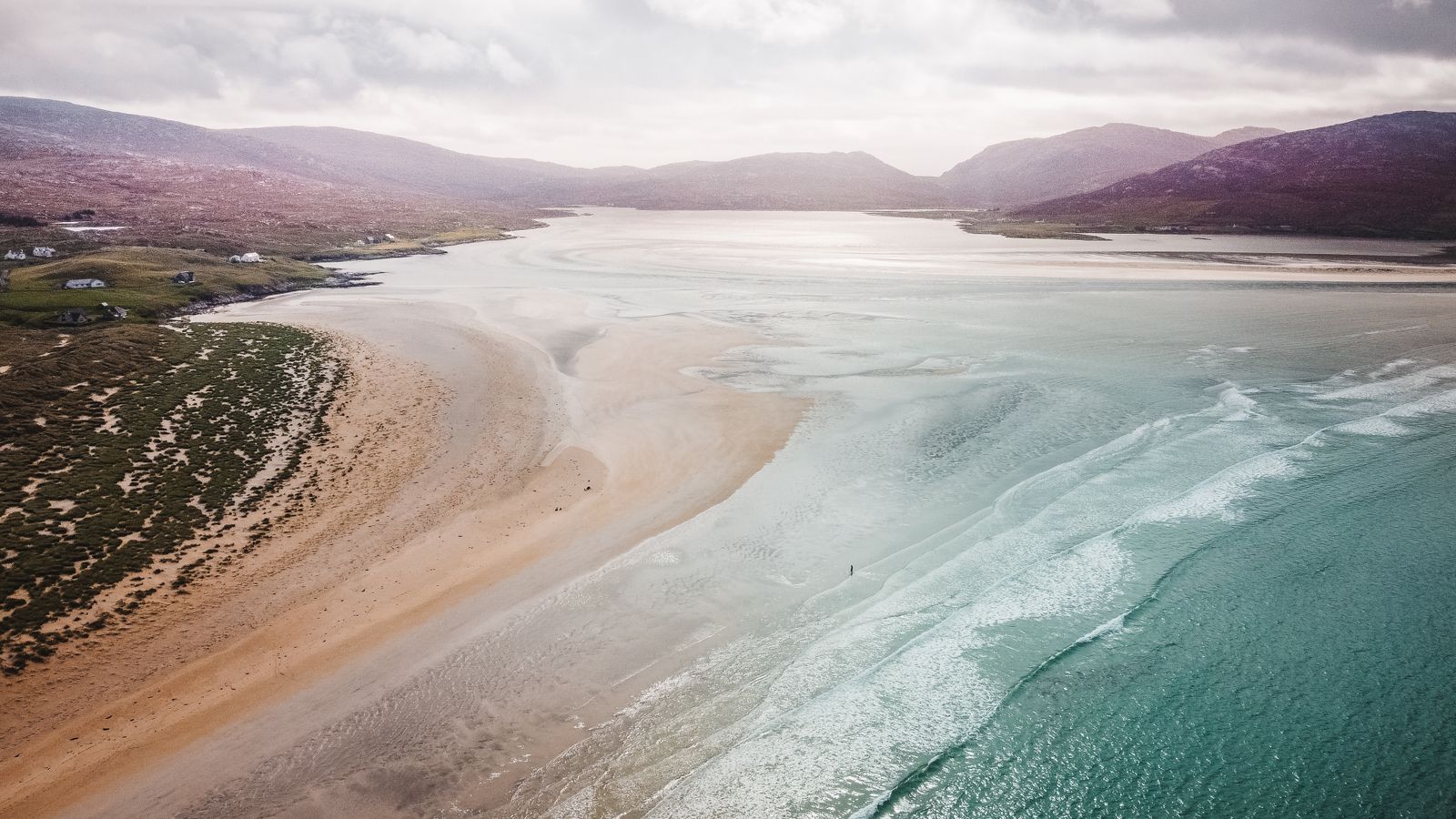
Covering Lewis, Harris, the Uists, Orkney, Shetland and nearby.
Wind, salt and island grids
The Outer Hebrides, Orkney and Shetland are among the windiest places in the UK, and homes near the shore face salt spray. Installers design mountings for high wind loads and choose components suited to coastal conditions, and the survey checks where panels can be fitted safely.
Island electricity networks have limited capacity, and many already carry a lot of local wind generation. That means SSEN may cap how much a new system can export, so using more of your own solar power at home, or adding a battery, becomes more important. Lewis, Harris, the Uists, Orkney and Shetland are all served by SSEN.
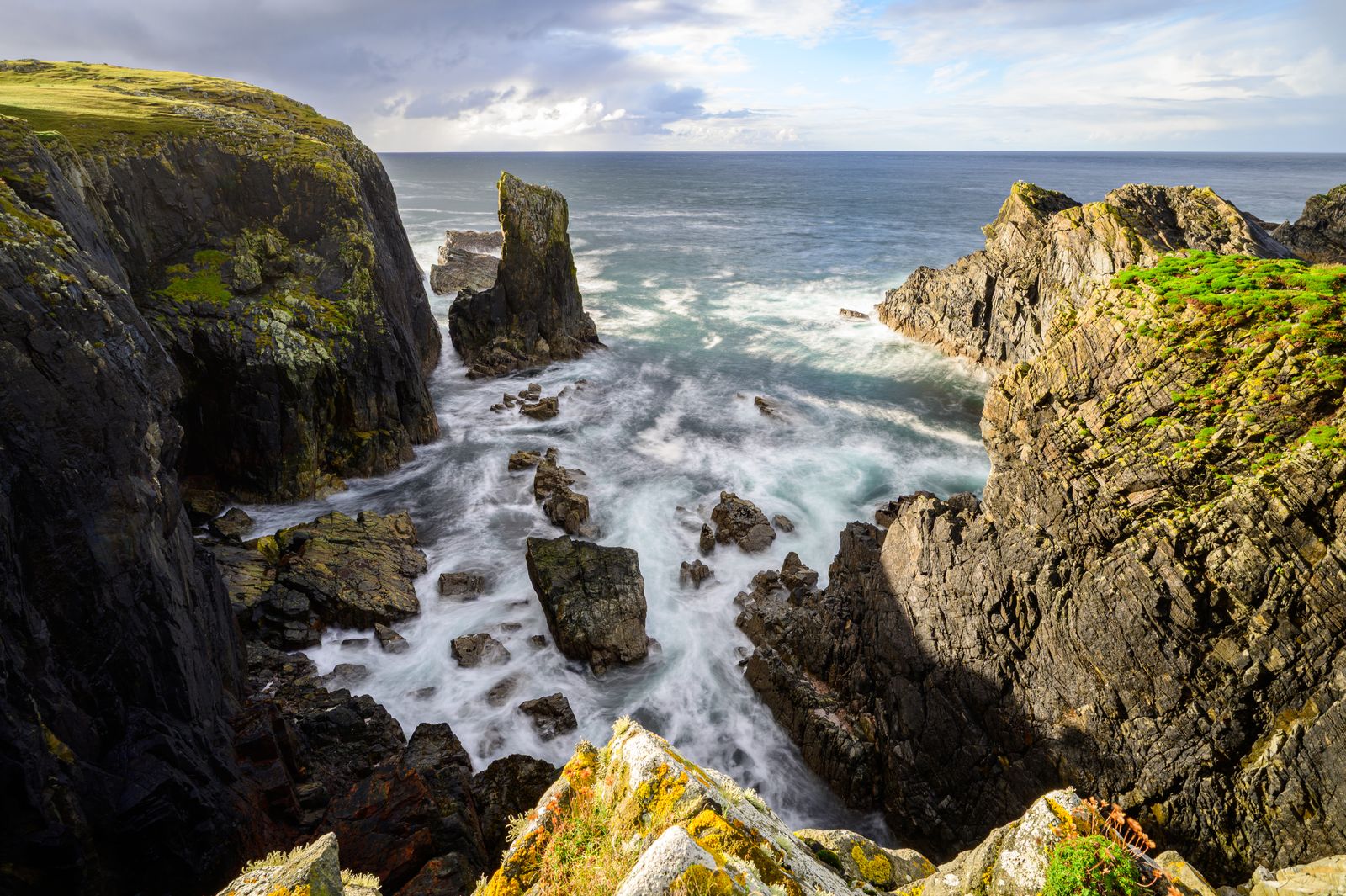
Local generation estimate for Stornoway
Using PVGIS data and the MCS MIS 3002 method, Stornoway averages about 800 kWh per kWp a year. A 4kW system would produce around 3,200 kWh. If about 65% is exported, that is roughly 2,080 kWh a year sent to the grid. These are estimates, not a promise of income, and what you are paid depends on your supplier's export rate. Your own figure depends on roof direction, pitch, shading and how much electricity you use at home.
Connecting to the grid in Scottish Islands
The local electricity network here is run by Scottish and Southern Electricity Networks (SSEN). Most home systems up to 3.68kW per phase are notified under G98 after installation. Larger systems, or a battery that takes total inverter capacity above that limit, need a G99 application before connection. Our installation partner handles this paperwork for you.
Choosing an export tariff
Export payments come from your electricity supplier under the Smart Export Guarantee (SEG), not from the network operator. Suppliers set their own rates and change them often. Published rates by supplier:
- Octopus Outgoing (12p/kWh)
- E.ON Next (12p/kWh)
- British Gas (9p/kWh)
- Scottish Power (8p/kWh)
Rates change, check the supplier. Last checked August 2026.
Suppliers ask for an MCS certificate before paying for exports. We install through MCS-certified partners, so your system comes with the paperwork suppliers need.
Neighbouring areas
Useful pages
Solar export questions in Scottish Islands
Will SSEN limit my solar export on Lewis or Shetland?
It may. Island networks have limited capacity, so SSEN can set a maximum export level for new systems. Your installer checks this during the G98 or G99 process before the system is connected.
Do solar panels cope with island winds?
Yes, when mounted correctly. MCS installations are designed for the wind loads at the site, which are higher on exposed island and coastal properties.
How can island homes use more of their own solar power?
Running appliances such as washing machines during the day, or adding a battery to store surplus for the evening, both increase how much solar you use at home. This matters more where exports are limited.
Get a solar quote in Scottish Islands
No obligation. We install through MCS-certified partners across Scotland.