Solar and batteries for businesses, farms and rural properties
Quick answer
Can businesses and farms in Scotland use solar and batteries?
Businesses, farms and rural properties in Scotland can use roof or ground-mounted solar to generate their own electricity during the day, and add battery storage to use more of it on site. We arrange a survey of your buildings and supply, then our MCS-certified installation partner designs a system around how you use power.
Last updated:
Prefer to talk it through? Call 0141 230 0198.
Commercial solar
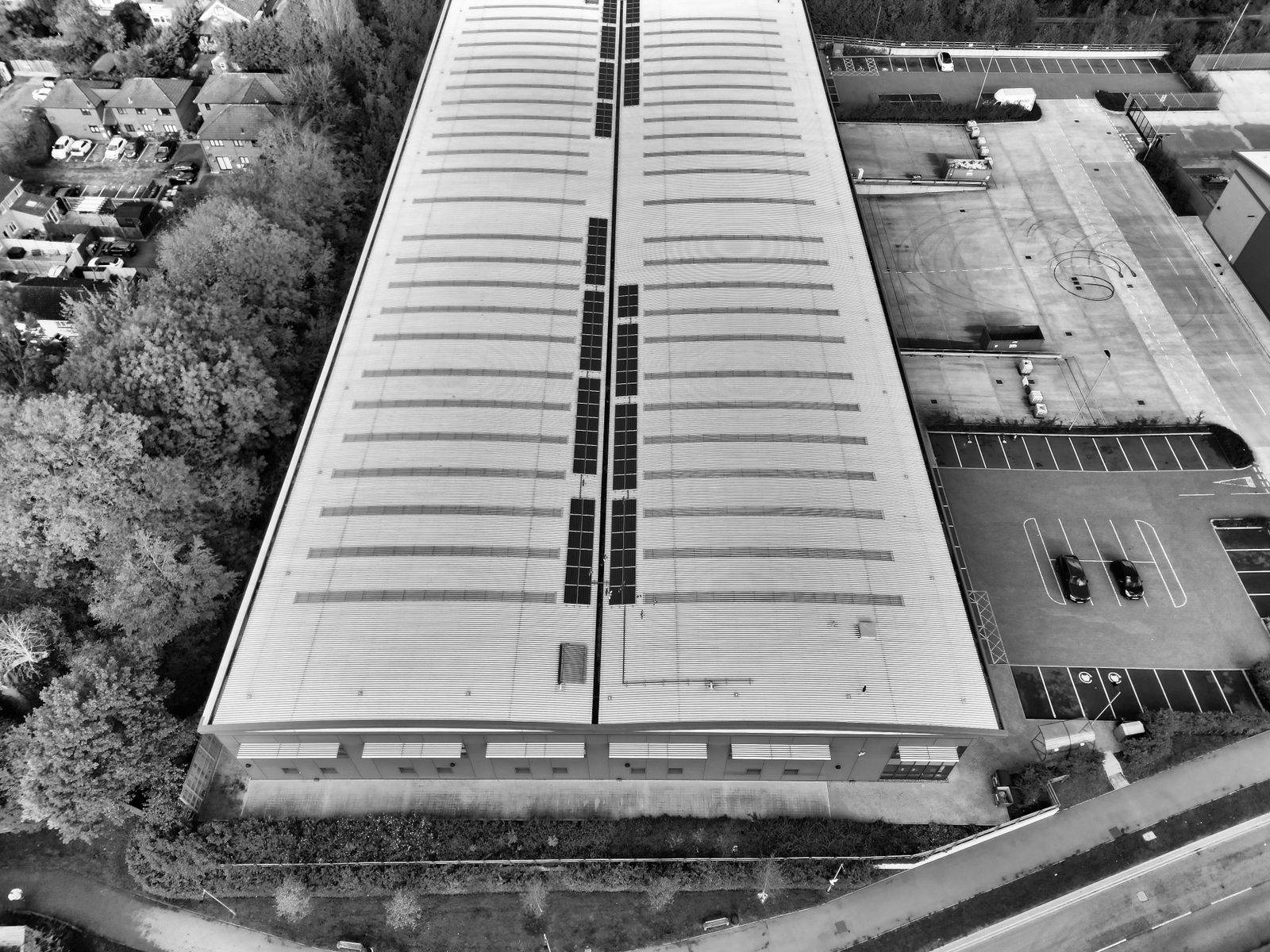
Most businesses use the bulk of their electricity during daylight hours, which is exactly when solar panels generate. That makes commercial buildings a natural fit. Offices, retail units, warehouses, garages, workshops, hotels and community buildings often have large, unshaded roofs that sit unused.
A commercial survey looks at your roof type and condition, the structure underneath, your electricity supply and your half-hourly or monthly usage. From that, our installation partner designs a system sized around your daytime demand, so most of the power is used on site and any surplus can be exported under a suitable export tariff.
Larger systems need an application to the local network operator (SP Energy Networks in central and southern Scotland, SSEN in the north and islands). Our partner handles the G99 paperwork and keeps you informed on timescales.

Commercial battery storage
A battery lets a business keep surplus solar on site instead of sending it to the grid. Power stored at midday can then be used later in the afternoon, into the evening or early the next morning. That is useful for premises with uneven demand, such as shops with late opening, kitchens, cold stores or workshops with heavy machinery.
Battery size is matched to your solar output and usage pattern. The survey looks at where a battery can be safely located, ventilation, access for maintenance and how it connects to the existing electrical installation.
Farm solar
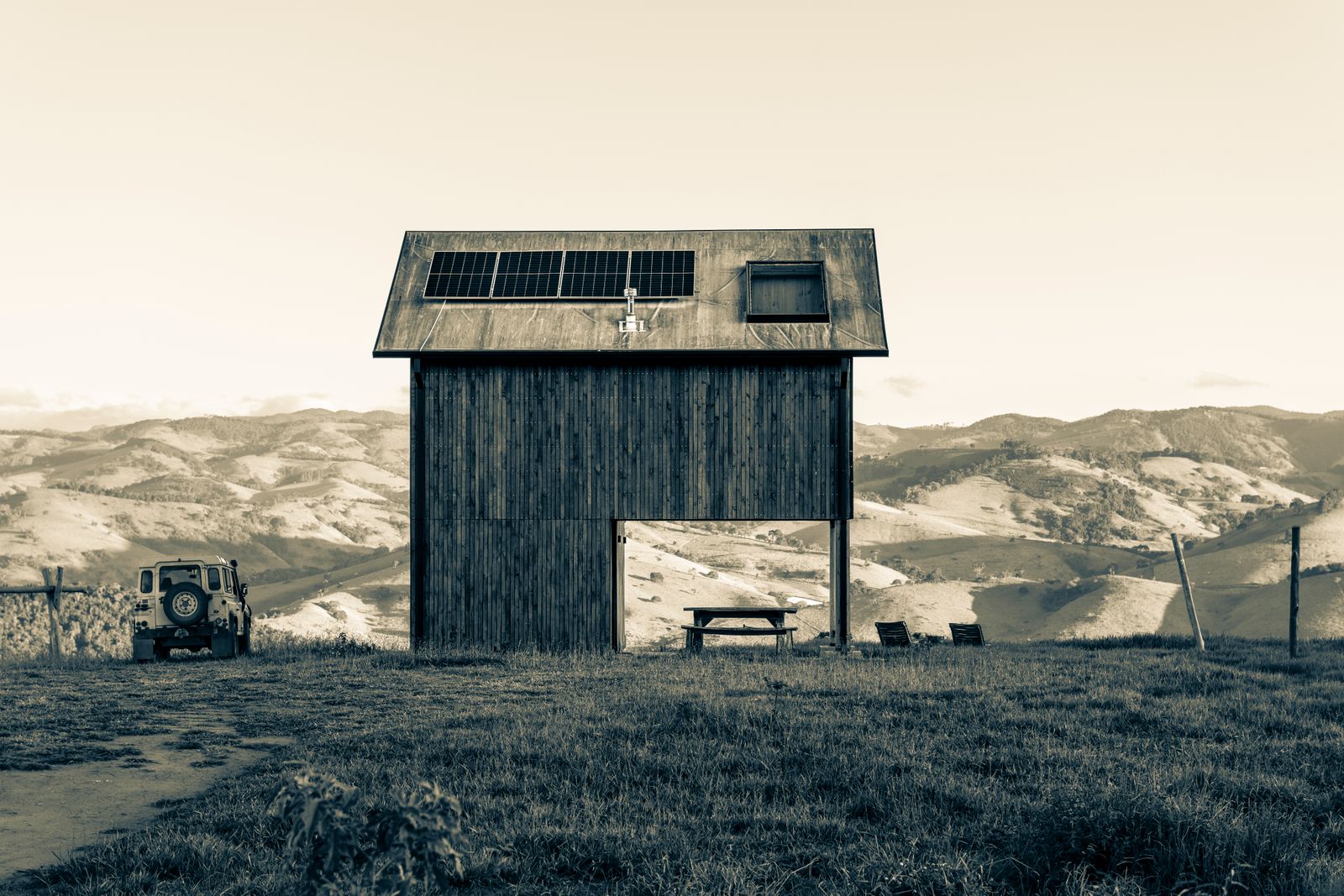
Farms are often well suited to solar. Barns, cattle sheds, grain stores and machinery sheds tend to have big roofs, and dairy, poultry and arable operations can use a lot of electricity for milking, cooling, ventilation, drying and lighting.
Roof-mounted panels on agricultural buildings avoid using productive land. Where roofs are not suitable, a ground-mounted array on a less productive corner of a field may be an option, subject to planning and the grid connection. The survey covers roof structure, asbestos risk on older sheds, cable routes and the capacity of your supply.
Rural properties
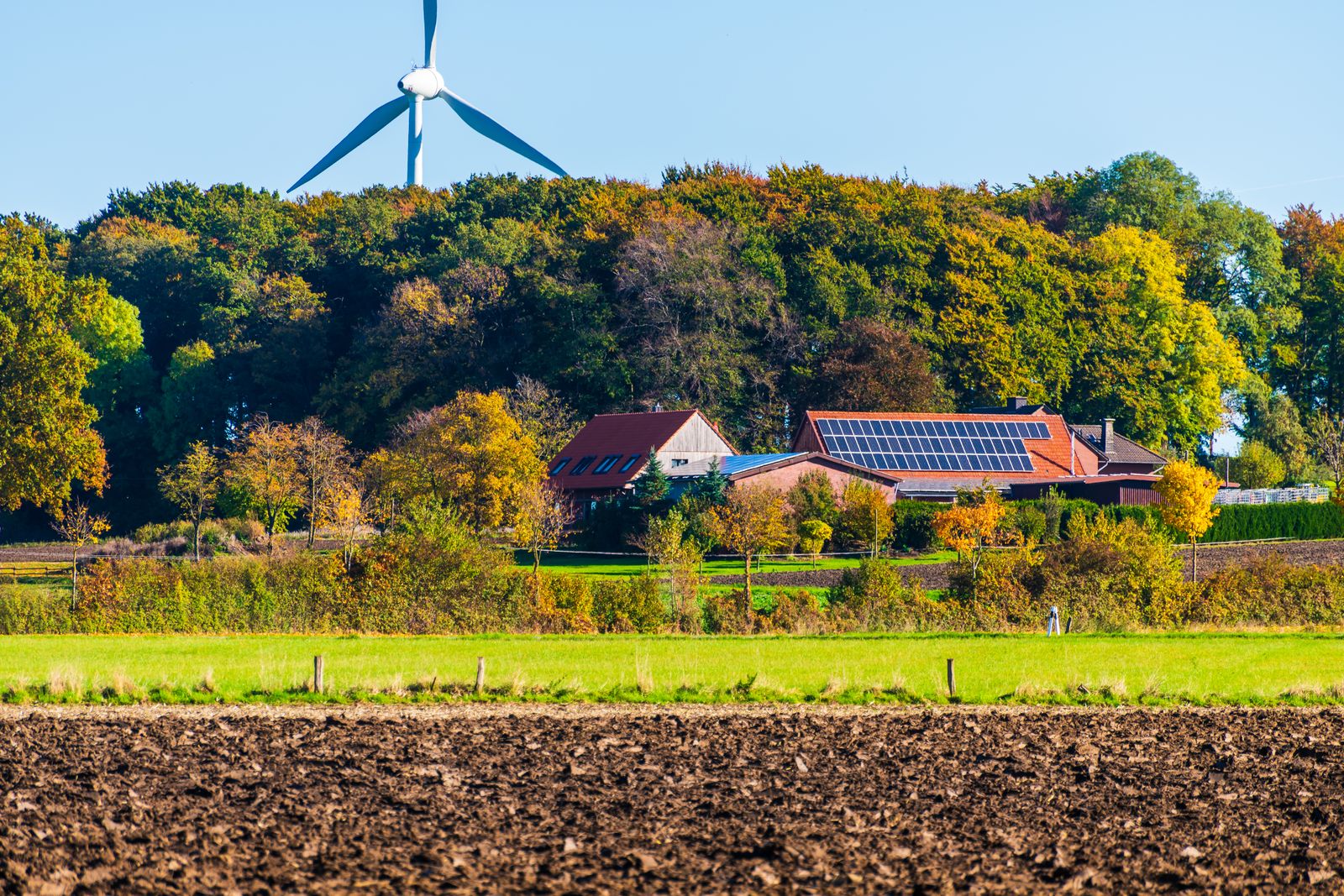
Many rural homes, cottages, estates and holiday lets in Scotland are off the gas grid and rely on electricity, oil or LPG. Solar and battery storage can reduce how much electricity you need to buy from the grid and make better use of long summer days.
Rural and island properties can have longer supply cables or single-phase connections, so the design has to account for that. Our installation partner works across the Highlands, islands, Borders and rural Aberdeenshire as well as the central belt.
How the process works
- Enquiry. Send the form above or call us. Tell us about the property and what you use electricity for.
- Survey. We arrange a visit to look at the roofs or ground, the supply, the meter and your usage.
- Design and proposal. Our installation partner sends a written proposal showing system size, expected generation and the work involved.
- Network application. Where needed, the partner applies to the network operator before work starts.
- Installation and handover. The system is installed, tested and registered, and you receive the paperwork you need for an export tariff.
Finance
Interest-free credit of up to £30,000 is available, subject to status and affordability. Terms and conditions apply.
Want to understand the numbers first? Try our export calculator, check the solar yield data by town, or read our solar and battery comparison.
We install through MCS-certified partners
We arrange surveys and installations through MCS-certified partners. Your installer provides the MCS certificate for your system once it is fitted.
MCS certification is a recognised quality standard for small-scale renewables and is needed for SEG export payments.
We do not carry out installations ourselves.
Frequently asked questions
What types of business do you work with?
We arrange surveys for offices, shops, warehouses, workshops, hospitality, community buildings, farms, estates and rural properties across Scotland. If you have a suitable roof or ground space and use electricity during the day, solar is worth looking at.
Can solar go on a barn or agricultural shed?
Often, yes. Many barn and shed roofs are large and unshaded. The survey checks the roof structure, its condition, orientation and the grid connection before a design is proposed.
Is ground-mounted solar an option for farms?
Ground-mounted arrays can suit farms with spare land near the supply point. Planning, access, cable routes and the grid connection all need checking, and our installation partner can talk you through each step.
Why add a battery to a commercial system?
A battery stores surplus solar so the business can use it later in the day rather than exporting it. It can also help where demand is uneven, such as early morning milking or evening opening hours.
Who installs commercial and farm systems?
We install through MCS-certified partners with experience of commercial roofs, barns and ground-mounted arrays. Your installer also handles the network application and provides the MCS certificate.
Do you offer finance for business projects?
Interest-free credit up to £30,000, subject to status.